
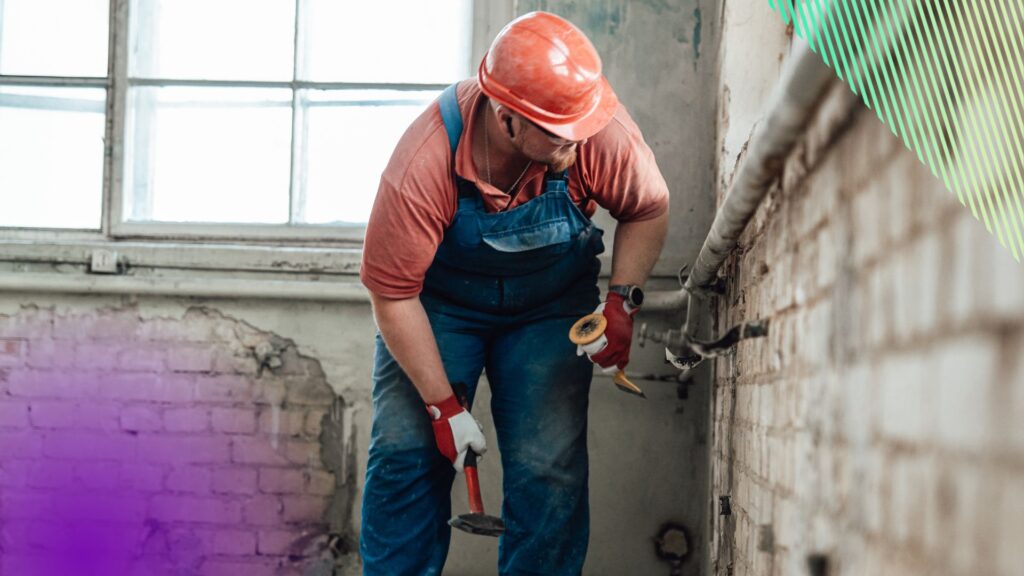
Demo is pretty much the most dangerous thing in a construction yard, so we have many safety guides that I hope everyone reads and has their workers follow all building requirements. The threats are many and, in general, unpredictable, from buildings collapsing to hazards on the wing. That’s why OHS construction standards are essential for providing protocols, minimising risks, and ensuring the work is performed safely. Demolition sites can quickly become dangerous without a proper safety plan.
OHS construction safety measures can assist project managers and teams in recognising hazards, reducing risks, and training workers on what to do when things go wrong. Like all demolition jobs, it is necessary to start by thoroughly planning, with a complete risk assessment of the structure and its surroundings, including the materials. A small interior teardown or a full collapse of a commercial building: one size does not fit all when it comes to safety.
It frequently means working at elevations, operating heavy equipment and coordinating with power and utility cutoffs while encountering structural failures of unknown cause. Then there is the risk of exposure to dangerous substances, including asbestos, lead or silica. Debris, noise, dust, and vibration create even more hazards that make demolition work especially difficult.
Conducting Risk Assessments and Safety Planning
The key to any safe demolition is a complete risk assessment and safety plan. When it comes to OHS construction, risk assessments aren’t just something to tick off your list – they are a legal and moral obligation. Spotting hazards before demolition work allows workers to create a safe site and ensure that all workers know how they will manage those hazards.
The risk assessment procedure begins with a comprehensive site visit. This will include examining the structural soundness of the building, any hazardous materials inside, possible utility access (gas/power/water), and any neighbouring properties that could be affected. OHS construction regulations require detailed documentation of hazards recognised and the controls implemented to mitigate or minimise them.
Planning is also key, including creating a site-specific plan before doing the demolition. It describes the sequence of operations and how to lower the construction safely, e.g., which means (manual/machine) are allowed, in what order, and which areas must be secured for exclusion. Barriers and warnings must be installed to protect workers and the public.
It is essential to communicate with engineers, environmental consultants, and safety officers during this period. First, locate and isolate all utility supplies. A traffic plan may also be required for construction sites located proximate to public roads or pedestrian areas.
OHS Construction’s approach is based on communication and training. You need to speak to the entire crew about what is going on, emergency protocol, and daily updates. Per the guidelines, toolbox talks and pre-shift safety meetings support vigilance.
By properly evaluating risks and having a well-thought-out plan, demolition teams can proactively minimise accidents while also staying in line with construction OHS standards. Planning is the first and most important part of a commercial demolition project, ensuring that when you commence any level of destruction, nothing goes wrong.
Safe Use of Equipment and Machinery
Machinery, including bulldozers, high-reach arms and wrecking balls, plays a crucial role in demolition work. While this equipment can obviously make an enormous difference to the effectiveness and speed of a building’s dismantling, it also poses significant risks if not used correctly. ‘Health and Safety’ Demolition sites have the highest safety standards in OHS construction.
Prior to any equipment being used on site, it must be inspected and serviced in accordance with the manufacturer’s recommendations: factory chimneys and stack demolition. Mechanical failure during the fall of a chimney can lead to disastrous consequences. Operators must be certified and experienced, with thorough knowledge of the specific machines they use.
Proper training is essential. Workers should not only be skilled in operating the plant but also be informed about hazardous areas, load capacities, and safe working practices. Operators are often required to work in tandem with a spotter or signaller to enhance visibility and coordination of movement.
Never operate the machine near live utilities or occupied buildings unless specifically prearranged for safety. Operators and groundmen communicating with each other must remain in constant contact, and this must be clear, whether via voice-activated radios, hand signals, or a designated marshal.
OHS building techniques are also big on balance and positioning. Do not use equipment on unstable ground, and make sure there is enough space around the equipment for work. Every move must account for overhead hazards, such as power lines.
Noise and machine vibration can also jeopardise health and surrounding structures. Operators should wear hearing protection, and residents or workers must be informed when the works are programmed.
By adhering to these, we can, in turn, supply demolition machines that are safer and perform better on job sites than expected by OHS during any construction.
Handling Hazardous Materials and Environmental Risks
Demolition frequently results in exposure to materials that are health and environmental hazards. Older buildings often contain hazardous materials such as asbestos, lead-based paint, silica dust and mould, which must be handled very carefully. The OHS construction protocols provide clear rules for identifying, treating, and safely removing these substances.
Licensed experts must survey the hazardous substance before the demolition commences. This indicates pollutants that must be evacuated or remediated before work may proceed. Failure to comply will pose both a serious physical threat to workers and the risk of severe legal penalties, as well as potential delays to the whole project.
Asbestos is one of the most dangerous things that you will find in demolition. Its fibres can become airborne when it is disturbed and cause severe respiratory disease. OHS building codes state that asbestos removal should be performed by qualified, equipped workers in protective gear, with the area completely sealed off and the air monitored.
Another area of significant concern is lead exposure, most commonly when working with painted surfaces or removing plumbing. Workers need to wear respirators, gloves and disposable clothing, with cleanup areas establishing decontamination zones.
Beam deputy Dust suppression is essential in working with silica or just general demolition dirt. Provisions such as water sprays, vacuum systems, and enclosed demolition practices can minimise airborne particles and protect workers and residents.
There are also environmental implications that must be dealt with. Correct disposal of hazardous materials, recycling wherever possible, and avoiding pollutants that can be carried through the ground or water meet OHS construction targets for sustainability and safety.
With proper management, toxic materials don’t have to derail a project. They need to be strictly adhered to, communicated well and documented in detail for any OHS construction demolition plan.
Emergency Preparedness and On-Site Safety Culture
In demolition, emergencies can occur fast — whether a building crumbles, catches fire, springs a gas leak, or injury occurs. That’s also why OHS construction standards require an emergency response plan that rocks and a proactive on-site safety culture that teaches all workers to act timely in these situations.
When it comes to emergency planning, the starting point is assessing what might happen. The demolition program should describe the criteria for various types of emergencies, and must assign workers specific duties. Fire extinguishers, first-aid kits, and floor sweep compound should be available throughout the operation.
Escape routes should be clearly marked and free of obstructions. All workers should participate in regular emergency drills to become familiar with escape routes and the actions to be taken. Every employee should be familiar with the location of muster points, communication procedures, and emergency contact numbers.
It has to be somewhere where first responders can get in as quickly as possible. This also means keeping entry/exit paths clean and making firefighters aware of scene conditions and hazards. In some instances, the availability of a trained first aider or occupational health personnel is obligatory.
There’s an essential safety culture, even beyond planning. Crucial to achieving an effective OHS management system is promoting open communication, with workers not only reporting incidents but also taking responsibility for safety at the peer level. The tone for the remainder of the crew is set by supervisors who manage by example and take safety seriously.
The so-called toolbox talks help keep such priorities top of mind. Identifying safe actions, investigating near-misses and having workers identify hazards are all indicators that safety is being approached proactively.
Conclusion
Demolition is the most exciting and hazardous construction phase, but when done right, it can be a safe and successful endeavour. Construction site safety OHS plays a vital role by providing the framework and guidelines for managing risk for everyone involved. From preparing the building for demolition to running the machinery to responding to emergencies, each phase has specific requirements for detail and safety.
If risks are identified and appropriate steps taken in the pre-construction phase, potential dangers can be identified and managed before any work even starts. By providing equipment work and safety training, mechanical accidents can be avoided and site efficiency improved. Health & environment Workers’ health and the surrounding environment are protected, and all regulatory requirements are met when working with hazardous chemicals in accordance with OHS construction standards.
CONTACT ACCELERATE MANAGEMENT SCHOOL TODAY !
Interested in advancing your Construction skills? Enroll in our Construction Occupational Health and Safety Course at Accelerate Management School for essential skills and knowledge in Construction Management.

Frequently Asked Questions
Demolition work is dangerous in OHS construction, as it often involves unstable buildings, toxic waste, and heavy machinery. In the absence of such safety protocols, accidents may include falling or flying debris or toxic exposure. Risks rise when such plans aren’t tailored to the particular site. OHS construction safety regulations assist in the early recognition of hazards to mandate the appropriate use of equipment and training. Adhering to these protocols is key to keeping demolition crews safe and projects within the bounds of the law.
In any OHS construction demolition job, the first steps are to compile a site-wide risk assessment and develop a demolition plan. This includes identifying structural deficiencies, locating utilities, evaluating hazardous substances, and establishing safe work procedures. Electricity, gas and water supplies should be turned off. Appropriate signs, barriers and emergency procedures need to be established.
It is a rule in OHS construction, written or unwritten, that if hazardous materials are present, they must be identified and safely handled before any demolition. A licensed professional must go in and survey the property to determine whether it contains asbestos, lead paint, mould, or silica. These items must be cleaned or contained acceptably. Workers should be appropriately attired in PPE, with air monitoring in place where necessary. All refuse must be disposed of in accordance with environmental regulations.
Heavy machinery is hazardous when you are in the process of demolishing your existing home with OHS construction safety standards. Equipment (a) All equipment shall be inspected, maintained and operated in a safe condition by trained personnel. Operators must refer to site-specific plans and keep in constant communication with spotters. Ground conditions, power lines, and dump areas should be considered when operating the machine.
OHS construction demolition planning is essential, as situations can change quickly. Fires, gas leaks, structural collapse, or worker injuries need a swift and efficient response. Each site should have a strong emergency action plan that details evacuation routes, responsibilities and contact practices. Regular drills prepare workers to take action. First-aid materials, fire extinguishers and easy access to emergency services are necessary.
A good safety culture encourages vigilant awareness, responsibility, and open communication regarding OHS on the building site. By training crews to identify hazards and work safely, the risk of injury or accident is dramatically reduced. Supervisors who model the way and endorse reporting can help foster trust and cooperation. Identifying safe behaviour encourages good habits. In high-risk demolition, there are no shortcuts to faster, safer work and compliance with OHS construction laws without a strong safety culture.