
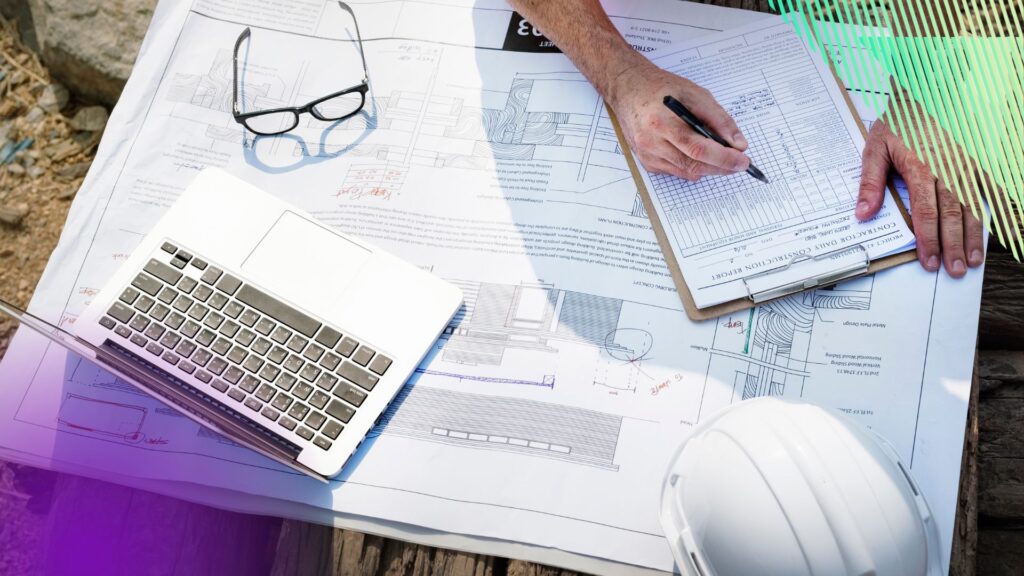
In the OHS building industry, safety goes beyond being required to wear hard hats and high-visibility clothing. It’s all about planning, documenting and communicating at every step of a project. The health and safety file is one of the most critical documents in this process. This is a contractual document that comprises all safety information of the project, which is needed for the construction works to be planned, managed, and performed safely, regarding the construction and once the construction work has been completed.
The health and safety file is a key document in keeping the building in compliance with occupational health and safety regulations. It’s to guarantee that anyone who undertakes future work on a property has crucial safety information to hand. From new building to remodelling, through maintenance to demolition, this file is a historical record of what hazards, controls, inspections, and responsibilities existed at a point in time. In OHS construction settings where hazards are great and civil liability significant, it is not discretionary information. It is essential.
Project-Specific Risk Assessments and Hazard Information
One of the essential components of any health and safety file in the OHS construction sector is the complete set of project-specific risk assessments and identified hazards. The purpose of this section of the file is to provide future contractors or maintenance crews with insight into the issues regarding risks that were identified during the construction period and how these risks were dealt with. It is a point which can be referred to when planning work dispositions in the future, to work safely and to avoid accidents due to ignorance.
Risk assessments should be site and task-specific and detailed. They need to identify possible dangers, such as working at heights, with heavy equipment, hazardous materials, or unstable soil. It should specify the risk of the threat occurring, the measures of control in place to address it and any remaining level of risk. In addition to aiding in meeting compliance, these documents can also assist in proving that all reasonable efforts were made to reduce risk during building works.
Generic risk assessments are assumed to be inadequate in OHS construction. There are differences between every site and every task. To add value to the file, the project-specific evaluations should also be included. It also facilitates further work, particularly where construction is of a complicated or custom-made nature.
The usefulness of this part goes beyond the requirements of the law. That this weapon could save lives by arming future teams with the knowledge they need to work safely and continue, keeping this part of the file tidy and in plain English, is the way of the professional in OHS construction.
Safety Procedures and Control Measures
Apart from risks recorded, the OHS construction health and safety file should also include a detailed description of the safety processes and control measures followed during the project. These protections need to be in place to demonstrate how risks were mitigated and what protocols were implemented to safeguard the well-being of workers and the public. They also provide insight for future constructors or maintainers to exercise similar precautions when required.
This part of the file should provide further details on the particular safety systems deployed at the site. These may be fall protection plans, procedures for scaffolding, confined space entry procedures, emergency evacuation plans, fire prevention plans, traffic management plans, etc. If specific instruments were employed for which specific safety measures were instituted, such safety measures should be laid out in the text. Documentation needs to cover the how and why, so developers are educated as to the reasoning behind the control measures.
For instance, if chemicals were used that required ventilation systems, the file ought to explain how these devices were installed, monitored, and serviced. If temp or process pads were needed during excavation, then it had better be stated. The idea is to paint a complete picture of how safety was managed at every stage of the project.
In the construction of OHS, these safety policies are typically aligned to standards that respond to applicable local or national legislation regarding health and safety. Containing them in the file proves that the project was compliant with regulations and followed good practice. It is also a roadmap for subsequent contractors to emulate a successful safety system or learn from challenges encountered during the project. Documenting those types of procedures is a crucial piece of the puzzle in establishing a safer, more informed industry.
Contractor Details, Roles, and Responsibilities
It is also imperative that a list of all the contractors who worked on the project and their different roles and duties is included in the health and safety file. In OHS construction, several trades will often operate concurrently on one site, each performing a different processing step of construction. Documenting who was involved in what, when, and under what circumstances is the best way to encourage accountability and transparency well after the project is completed.
This section of the health and safety file will contain the contacts of the main contractor, sub-contractors, designers, health and safety adviser, risk assessor or any other person who planned work or carried out work on the project. It also should specify what job each was doing and the safety duties for whose oversight each was responsible. If an electrical subcontractor were hired, for example, the file would note the dates of that work and any safety documents or certifications they generated.
Straightforward responsibility assignment in OHS construction is essential, and it can avoid much confusion and ensure that safety work is not omitted. You mentioned that they were going to be conducting maintenance (I assume on-site) and believe that maintaining a log here is essential for future incidents, so that if there is a problem during maintenance, we have a clear record of who initially did the work. It may also help establish that professionals skilled for these jobs were hired and that all the necessary procedures have been observed throughout the project.
This goes beyond just compliance; this data helps promote an accountable environment within the construction trade. Everyone knows that their role is being witnessed and recorded to provide the backup evidence to meet the old common law responsibility, so they keep to safety procedures and maintain the OHS framework for construction.
Inspection Reports and Maintenance Records
Detailing consists of inspection reports and records of maintenance for the health and safety file in OHS construction. The endcore component for the health and safety file in OHS construction is the detailing. These records show that at each stage of the construction process, all temporary and permanent works were verified for safety and functionality, and that everything was made to last. It also serves as a manual for future maintenance teams, so safety and integrity are maintained once construction is complete.
Inspection reports may contain the results of safety inspections, equipment tests, structural examinations, electrical system inspections, or other extensive project-specific tests and oversight. These should be dated and signed by experienced inspectors with a notation of any problems that were discovered and the corrective action that was taken. It should include things like the fire alarms, the elevators, the ventilation system and any machinery that remains up and running post-construction.
These documents are not just window dressing in OHS construction. They demonstrate that continued observation was made and that systems were safe at the point of handover. It also sends the message to anyone who will maintain or enhance the site in the future. Should a lift fail or a ventilation unit go down after several years, access to the original inspection and maintenance history can speed up the process, lower costs, and eliminate residual risk.
Construction is keeping detailed and well-organised records of inspections is a professional responsibility in construction. It’s evidence that safety was of concern not just in the build, but in the operation of the site over the long term. Adding these documents to the health and safety file demonstrates an investment in diligence and ongoing risk management in OHS in construction.
Conclusion
The health and safety file is an equally important component of any health and safety construction project. It’s not just a compliance piece. It’s a living testament to how a construction project was designed, managed, and completed with safety in the forefront. Every section of the file, from the initial risk assessments to the final inspection report, has a role to play in safeguarding the health and safety of both existing and future workers on site.
The addition of project risk assessments guarantees the identification and control of all hazards. It demonstrates that safety decisions were specific to the site and not made on generic grounds. This data becomes particularly useful during any subsequent renovations or maintenance where there may be similar risks. Good risk documentation enables the new team to plan effectively and prevents the same mistakes from being repeated in the project’s history.
CONTACT ACCELERATE MANAGEMENT SCHOOL TODAY !
Interested in advancing your Construction skills? Enroll in our Construction Occupational Health and Safety Course at Accelerate Management School for essential skills and knowledge in Construction Management.

Frequently Asked Questions
An OHS construction health and safety file is a compulsory document that contains the fundamental health and safety information about a specific construction project. It features: risk assessment, control measures, contractor roles, and inspection logs. This record assists in future repair and construction efforts by maintaining a written history of safety procedures at the site. It ensures everyone knows about the hazards, legal obligations and best practices in place, for long-term site safety and compliance.
Project risk assessment is crucial in OHS construction as it highlights risk based on the actual location and/or job. They generate strategic planning for safety by analysing the magnitude of risk and identifying corrective measures. They are added to the health and safety file, so the next team know what dangers were present and how they were dealt with. This knowledge prevents future occurrences and provides a safer work environment by allowing work to be planned.
The Health and Safety file needs to capture all safety techniques in the project, such as fall protection, confined space entry, fire prevention and traffic control plans. These steps demonstrate how risks were reduced during construction, and a way of working is provided for future work. These control measures are documented in OHS construction, for future teams to adopt or modify safe practices. Comprehensive records also ensure legal compliance, proving the site is committed to safety.
Involving contractor positions in the health and safety file provides accountability and transparency. The records show who carried out individual tasks, when they were performed, and what precautions workers took to protect themselves for OHS construction. When various parties work on the same site, as in this example, having this clarity helps assign responsibility, physically verify qualifications, and maintain consistency. Should a problem be encountered later, this documentation is the record for future teams to follow, which can improve the efficiency and efficacy of troubleshooting and safety planning.
The file should contain all records of the inspection and maintenance of all critical systems and elements, including electrical components, scaffolds, ventilation, and fire safety. These documents also indicate that the site was thoroughly inspected and made safe before handover. In terms of OHS construction, such records are essential for future contractors to understand the history behind equipment so they can engage in better maintenance practices and minimise safety hazards.
In OHS construction, the contractor or the health and safety consultant appointed by the contractor is usually responsible for preparing the health and safety file. This duty also involves gathering, compiling and updating project documents. This file is to be supplied to the client on project completion and (re)submitted in the event of any significant change to its content. A complete and compliant file is essential for legal responsibility and long-term safety throughout any subsequent work at the property or site.