
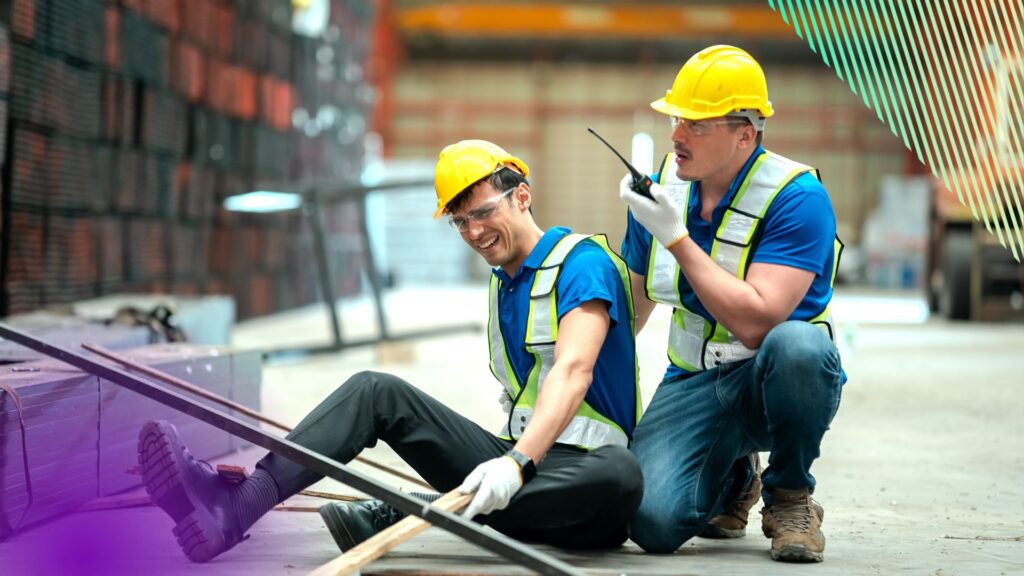
Ensuring workplace safety is a fundamental part of Occupational Health and Safety (OHS) management in any organisation. Slips, trips, and falls remain among the most common and preventable accidents in occupational environments. These accidents can happen in any sector, from health care and hospitality to manufacturing and office settings. They are often under-communicated, but can result in serious injuries, more time away from work, compensation claims and tangible financial loss to organisations.
To prevent these events, it is important to understand the difference between a hazard and a risk. A hazard is anything that has the potential to cause harm (for example, a wet floor, uneven surface or poor lighting). Risk, however, indicates the likelihood of harm occurring when exposed to that hazard. Understanding this difference enables organisations to enforce targeted preventive measures.
Slips, trips, and same-level falls affect workers of all ages, although certain groups may experience more severe injuries. These accidents can lead to time away from work, compensation claims, and reduced operational efficiency. For this reason, proactive Occupational Health and Safety prevention programs are essential. Through proper hazard identification, risk assessment, and workplace safety training, organisations can significantly reduce these incidents and create safer working environments for employees.
Understanding Workplace Hazards and Risk Factors
To keep employees safe from slips, trips, and falls, organisations must first assess workplace hazards and the associated risks within an Occupational Health and Safety (OHS) framework. Hazards are physical conditions or environmental factors that have the potential to cause harm. In Occupational Health and Safety management, identifying hazards early helps organisations implement effective control measures that protect workers and prevent injuries.
Some common workplace hazards that lead to slips, trips, and falls include wet or contaminated floors, uneven surfaces, cluttered walkways, inadequate lighting, and dangerous stairs. All these hazards increase the likelihood that a worker will lose balance or be unable to see an obstruction. Water, when spilt in a kitchen or healthcare environment, may seem inert, but it contributes to a fair amount of slip event potential.
Other factors include the type of footwear, working too quickly or in a hurry, not being properly trained and a lack of supervision. Things like tracked-in rainwater or poorly maintained flooring can pose even greater risk to environmental conditions.
A systematic risk assessment process enables employers to analyse the chances and impact of such incidents. Once the location of hazards and those at risk have been established, this will help prioritise control measures. Periodic visual inspection of facilities and equipment, employee feedback on the need for such inspections, and incident reports also help ensure that risks are monitored continuously. Knowledge of hazards and risks is the basis for prevention. Control strategies cannot be implemented if the pests are not correctly identified and assessed.
Major Causes of Slips, Trips, and Falls in the Workplace
In Occupational Health and Safety environments, slips, trips, and falls often result from a combination of environmental and human factors. The most common cause of carpet wear is floor contamination. Liquids such as water, oil, cleaning chemicals, or food spills create slip hazards that can lead to falls. This risk is especially important in industries such as healthcare or food service, where liquids are common.
Flooring inconsistencies are also a cause of workplace accidents. Broken tiles, cracked flooring, loose mats or uneven surfaces pose trip hazards. Even small surface alterations can throw off balance and lead to injury. Proper maintenance and timely repair of flooring defects are key to reducing this threat.
Poor lighting is another key element. Insufficient light decreases visibility and makes it difficult for workers to detect hazards in their way. Safety on stairs, in hallways, and in storage areas will require adequate lighting for safe movement.
Cluttered walkways present additional dangers. Cables and hoses trailing on the ground, tools left out and materials stored incorrectly restrict movement and increase tripping hazards. Proper housekeeping practices follow good workspaces.
Unstable stairs and rough handrails increase the chances of falls. Stairs must be uniform, well-lit, and clearly marked. Handrails must be secure and correctly scaled to the individuals and sections of the staircase.
These causes often interact. We know, for instance, that a dimly lit space with an obstructed floor will dramatically increase the likelihood of a major accident. Systematically addressing these root causes reduces overall workplace risk.
Practical Prevention Strategies and Control Measures
Preventing slips, trips, and falls requires a combination of engineering controls, administrative measures, and employee awareness as part of a strong Occupational Health and Safety program. One of the most effective strategies is eliminating hazards wherever possible. This may involve installing slip-resistant flooring, repairing damaged surfaces, and improving drainage systems to prevent water accumulation.
Housekeeping policies are essential. Immediate steps to clean up spills and put warning signs in affected areas should also be taken. Keeping walking surfaces safe through routine cleaning schedules. Floormats should be properly retained and replaced when fatigued.
Improved lighting significantly reduces risk. Employers must make sure that all areas, especially stairwells and entrances, are well-lit. It helps to identify burnt-out bulbs or inadequate lighting levels quickly.
Policies about what constitutes junk are also important. Clear pathways, orderly storage systems, and proper cable management decrease tripping hazards. Workers must be empowered to report dangerous conditions promptly.
Policies on shoes may do even more to keep things safe. An environment prone to spills may require nonslip shoes. Training programs can help workers to recognise hazards, follow safe walking practices, and report maintenance issues.
Ongoing risk assessments and safety audits monitor the effectiveness of preventive measures. This keeps organisations informed of which areas they need to work on regarding incident reports. When physical controls are paired with employee awareness and consistent monitoring, organisations foster a proactive safety culture, helping reduce slips, trips and falls.
The Organisational and Economic Impact of Prevention
From an Occupational Health and Safety perspective, slips, trips, and falls can have serious consequences for both employees and organisations. Injuries caused by these accidents may range from minor sprains to severe fractures, head injuries, and long-term mobility problems. These incidents can lead to extended absences from work and decreased productivity.
The financial fees workplace falls cause include medical bills, compensation payouts, attorney costs and possible fines for safety non-compliance. Indirect costs, like lost morale and damage to one’s reputation, might be even higher.
Prevention plans will lead to a decrease in both direct and indirect costs. Companies that invest in hazard control measures tend to have fewer incidents and, therefore, reduced insurance premiums. An ounce of prevention is also more important for employee morale and involvement, which ultimately increases overall operational effectiveness.
Apart from the financial aspect, most organisations are aware that prevention builds their reputation. Attracting skilled workers and demonstrating corporate responsibility are integral to the mission of safety-oriented companies. Strong leadership and effective management systems are reflected in safe workplaces.
This shifts the paradigm of safety from a reactive approach to a proactive prevention strategy. When organisations proactively identify hazards before accidents happen, they protect employees and ensure long-term sustainability.
Conclusion
Slips, trips, and falls continue to be among the most common hazards addressed within Occupational Health and Safety programs, but they are also largely avoidable. Recognising the difference between hazards and risks is the first step toward creating effective prevention strategies. Conditions that increase the chances of accidents include unsafe stairs, cluttered walkways, poor lighting and uneven surfaces. These hazards can be managed with systematic risk assessments and targeted control measures.
Preventing slips, trips, and falls calls for an all-hands-on-deck approach, including engineering controls, housekeeping policy improvements, better lighting and circulation, staff education, and routine examinations. By eliminating hazards where possible and adding practical safeguards, workplace injuries are greatly reduced. It is such organisations that ensure all footpaths are clear and any damaged flooring is repaired as soon as possible, reducing the risk of employee injury and satisfying regular audits.
CONTACT ACCELERATE MANAGEMENT SCHOOL TODAY !
Interested in advancing your Construction skills? Enroll in our Construction Occupational Health and Safety Course at Accelerate Management School for essential skills and knowledge in Construction Management.

Frequently Asked Questions
Falls, slips, and trips are ubiquitous as they belong to the quotidian environment, in other words, wet floors or cluttered walkways, uneven surfaces or poor lighting. These risks often arise during routine activities and may not be detected immediately. Fast-paced work increases the risk of accidents in high-operation environments such as healthcare, hospitality, and manufacturing.
While anyone can slip or trip, some groups are at greater risk. Older workers also have a greater probability of loose footing or reaction time, which may lead to increased injury severity. Employees in industries prone to spills, including food service and health care, are also at greater risk. Workers in dark areas or organised messes are at even higher risk. By recognising vulnerable populations, organisations can introduce targeted preventive solutions and reduce the risk of injury.
Strict housekeeping and regular maintenance schedules can eliminate some floor hazards. Clean up spills right away, fix or replace damaged flooring quickly and use non-slip materials where needed. Absorbent mats should be in entrance areas to prevent water from seeping indoors. Performing routine inspections can identify growing hazards before they lead to an injury.
Proper lighting enhances visibility and enables workers to see potential hazards in their way. Bars and dimly lit clubs may gloss over uneven surfaces, steps or spills, making trips more likely. These outdoor areas need permanent lighting: staircases, corridors, storage rooms, and entrances. Lighting systems, when well-maintained, also receive new bulbs promptly so that light levels stay where they should be.
Preventing Slips, Trips and Falls through Employee Training. Workers should be trained to identify hazards, report unsafe conditions, and adhere to safe work practices. Training programs emphasise wearing the right shoes, moving slowly and keeping work areas free from debris. When employees are aware of risks and responsibilities, they actively help create a safer work environment and support overall prevention efforts.
Prevention leads to lower direct costs, such as medical bills, compensation claims, and legal fees. They also mitigate indirect costs, such as lost productivity, overtime payments and reputational harm: fewer accidents, lower insurance premiums and better morale among employees. Prevention is a lot cheaper than treating the fallout from workplace injury.