
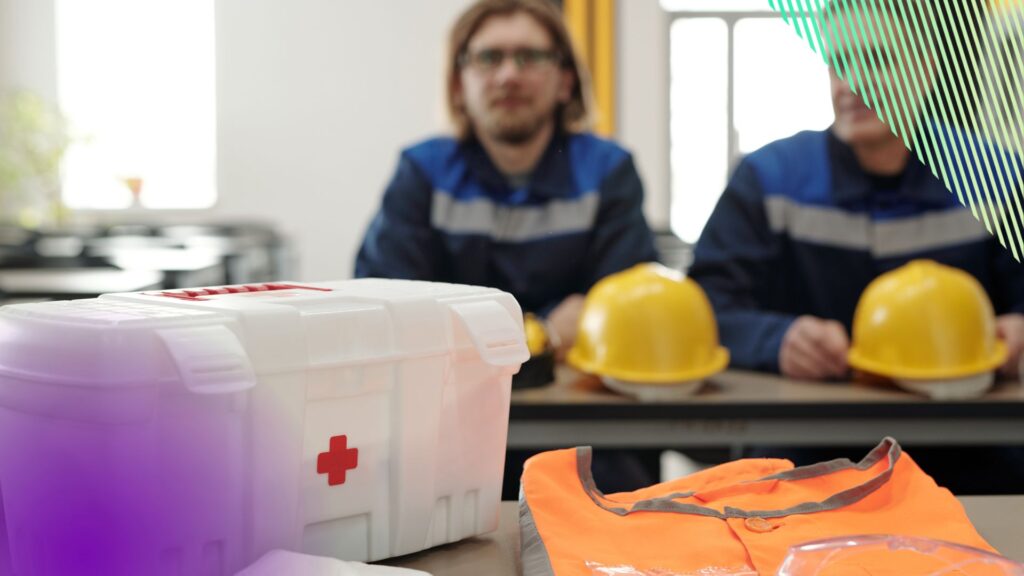
Construction sites are a high-risk environment where workers are at risk of cuts, burns, falls, heavy machinery accidents, eye injuries, and exposure to harmful substances daily. Due to these risks, it is important to have a well-stocked Occupational Health and Safety (OHS) First Aid Box on every construction OHS site. To respond quickly to injuries before professional medical assistance arrives, a well-prepared Emergency care kit is available for workers and supervisors.
Construction accidents can occur in a flash, and prompt treatment can make a huge difference in minimising injury severity. Small incidents can escalate into serious consequences if adequate medical equipment is not on hand. A good construction Emergency care kit will be tailored to the injuries and emergencies most commonly associated with the construction OHS site.
Essential Medical Supplies for Construction OHS First Aid Kits
Construction OHS first-aid boxes should be adjusted to address the specific hazards workers may be exposed to on-site. Workers are at risk of cuts, abrasions, burns, eye irritation, fractures, and heavy impact accidents in construction. The Emergency care kit should include supplies that can quickly and effectively treat common injuries.
Some essential items include bandages and wound dressings. Sharps, rough surfaces and tools are common causes of cuts and scrapes to construction OHS workers. Adhesive bandages of various sizes, sterile gauze pads, and wound dressings are used to protect wounds and minimise the risk of infection.
Additionally, antiseptic wipes and cleaning solutions are crucial. Wounds should be cleaned as soon as possible to prevent contamination, especially on dusty or dirty construction sites. Antiseptic products that do not contain alcohol are preferred since they are less irritating to damaged skin.
Elastic bandages and compression wraps are helpful for sprains, strains and small fractures. Construction sites require significant physical exertion and heavy lifting, which can lead to muscle and joint injuries.
Burn treatment supplies should also be part of the treatment. Hot surfaces, electrical equipment, chemicals, or welding sparks can pose a hazard to workers. Gel, sterile burn dressings and cooling packs will help provide immediate care until medical help is available.
Emergency Equipment and Specialised First Aid Items
Construction OHS first aid kits may require more than just standard medical supplies due to specific, high-risk construction site hazards. For work-related accidents, specialised types of emergency equipment can help minimise injuries and shorten response times.
Eye-wash solutions are a critical part of any construction OHS site. These particles, such as dust, chemicals, metal particles, or debris, can easily enter a worker’s eyes when cutting, drilling or grinding. The use of portable eye wash bottles or stations will flush away harmful substances more rapidly and lessen the risk of eye damage if they are held in the eye for any length of time.
CPR masks and resuscitation devices are additional items to include in an emergency care kit. Medical emergencies can occur on construction sites, including cardiac arrest, electrical shock and difficulty breathing. CPR barriers ensure the safety of the resuscitation provider and the injured person during resuscitation.
Usually, cold packs are added for swelling, bruising and strains. These packs are particularly helpful for injuries to the body from slips, trips, falls, and from using tools and materials. An additional significant item is emergency blankets. Workers building houses may need warmth and shelter after exposure to extreme weather or a shock until emergency responders arrive.
Splints and triangular bandages are used to prevent fractures or damaged limbs from worsening until professional treatment can be obtained. Bone injuries from construction accidents can result in temporary immobilisation from falls or heavy equipment.
Maintaining and Inspecting Construction OHS First Aid Kits
If the construction OHS first-aid kit is not maintained and checked regularly, it will be less effective. Lost, broken, or expired supplies can slow emergency response times and increase the risk to injured workers during accidents. Construction companies should designate a person, or a safety officer, to be responsible for maintaining Emergency care kits. These people should check kits periodically to ensure that all supplies are in good working order, kept clean, and in date.
On construction sites, in particular, regular inspections are crucial as supplies are often in use daily and the conditions are harsh. Medical supplies can be damaged by dust, moisture, heat and movement if kits are not properly protected. Older medicines, antiseptics and sterile products should be replaced as soon as possible. Outdated medical equipment can make treatment less effective or facilitate the transmission of disease.
Construction sites should also consider whether the size and location of Emergency care boxes remain suitable as the project progresses. Depending on the scale of the project or the number of work zones at a site, more kits may be needed to ensure workers’ emergency supplies are easily accessible. Accessibility is also a factor. Emergency care kits must be properly labelled, readily visible, and accessible. Employees should be aware of the location and access to kits in case of emergencies.
The Role of OHS First Aid Kits in Construction Safety Culture
Construction OHS First Aid kits are not just tools for emergencies, but also play a crucial role in creating a safety culture on the job. Their presence is a testament to an organisation’s dedication to the well-being of its employees and readiness for emergencies in a responsible manner.
A robust safety culture promotes prevention, preparedness and accountability. Emergency care kits contribute to this objective by providing workers with immediate access to treatment materials in the event of an accident. This is to minimise panic and increase the response time in emergencies.
Emergency care boxes, which are visible and maintained, also boost workers’ confidence. When employers ensure that adequate safety equipment and emergency protocols are in place, employees are more likely to feel supported and valued. Training associated with the first aid kit also bolsters workplace awareness. Safety-conscious workers are more aware of construction hazards and safe work practices overall, and those who know emergency procedures and basic First Aid are more so.
Strong first-aid readiness among construction companies can facilitate communication and reporting of workplace incidents. When management takes safety seriously, workers feel more comfortable about reporting injuries or hazards. Also, having plans for emergency preparedness makes operations more stable. Quickly responding to injuries can minimise the impact of an incident, reduce project disruptions, and enhance overall workplace organisation.
Conclusion
There are numerous hazards on construction sites, and OHS first-aid kits are crucial for emergency preparedness and worker safety. A construction OHS accident could occur in an instant, from cuts, burns, falls and eye injuries, and prompt treatment will help minimise injuries until competent medical help can arrive.
The construction OHS Emergency care Kit should include all the critical medical supplies, including bandages, antiseptics, gloves, burn treatment materials, and emergency response equipment. Construction settings pose specific risks that can be mitigated with specialised products, such as eye-wash solutions, CPR masks, and splints.
CONTACT ACCELERATE MANAGEMENT SCHOOL TODAY !
Interested in advancing your Construction skills? Enroll in our Construction Occupational Health and Safety Course at Accelerate Management School for essential skills and knowledge in Construction Management.

Frequently Asked Questions
A construction Emergency care kit is essential for workers to respond swiftly to injuries or emergencies on site. Potential hazards in construction include cuts, burns, falls, and eye injuries. Immediate access to medical supplies can minimise the severity of any injuries, enhance emergency response times, and contribute to workplace safety and compliance with OHS regulations.
A construction Emergency care kit is essential for workers to respond swiftly to injuries or emergencies on site. Potential hazards in construction OHS include cuts, burns, falls, and eye injuries. Immediate access to medical supplies can minimise the severity of any injuries, enhance emergency response times, and contribute to workplace safety and compliance with OHS regulations.
Construction workers can also be exposed to dust, chemicals, debris, and metal particles, which can lead to eye injuries. Eye wash solutions are used to rapidly remove harmful chemicals from the eyes and minimise the risk of eye damage. Portable eye-wash equipment is an essential safety tool for emergency preparedness in construction.
Construction Immediate care Kits should be regularly inspected to ensure that the supplies are complete, clean and up to date. Regular inspections are essential, since equipment and supplies may be used rapidly or damage equipment in a construction setting. Regular maintenance will ensure the kit is ready for use in the event of a workplace emergency and support OHS compliance.
Construction companies should assign trained personnel or safety officers to manage Emergency care kits. The individuals are responsible for inspections, replacing expired supplies, and maintaining the accessibility of kits. It is important for workers also to be aware of the location of kits and who is trained to administer Immediate care in an emergency.
Immediate care kits are part of the safety culture and demonstrate a commitment to worker safety and emergency preparedness. Well-maintained kits will boost employee confidence and promote awareness of work-site hazards. They also help to ensure quicker response times to injuries, enhance safety protocols, and emphasise health and safety in construction settings.