
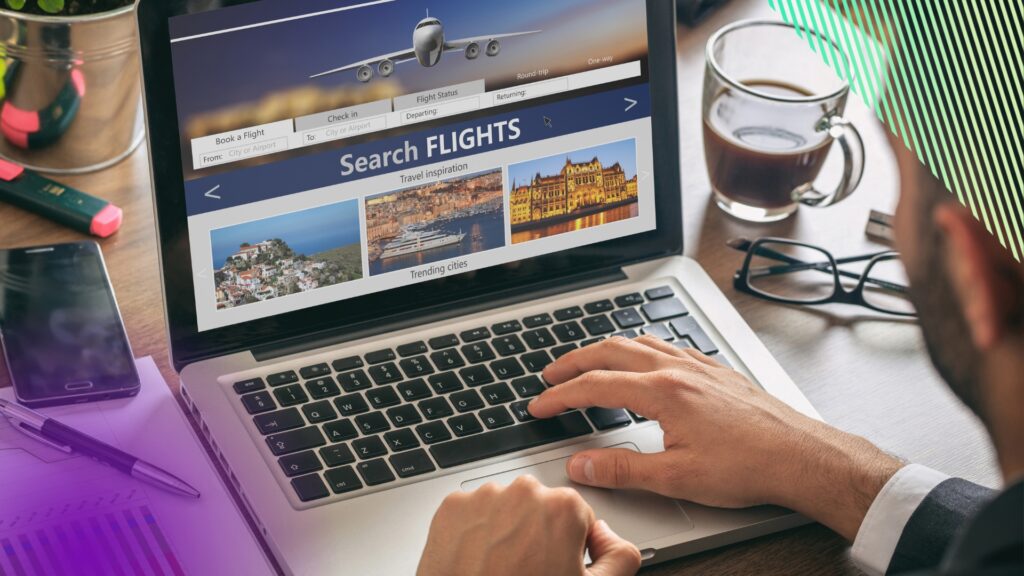
Travel and tourism is a highly competitive sector where customer needs, economic factors, demand fluctuations, technology, and world events can all affect buying decisions. With vast amounts of information available to travellers via search engines, travel platforms, review sites, social media, and online booking platforms, tourism businesses must clearly and consistently communicate what they’re worth.
Marketing Management is also essential for helping organisations understand their target markets, position destinations and services appropriately, and develop marketing strategies that support sustainable growth. Travel and tourism companies offer travel-related services such as hotels, tour operators, travel agencies, attractions, airlines, resorts, and destination organisations. These experiences differ, but they all compete for customers’ attention, and each must show why it matters to a specific traveller. Effective marketing management requires understanding customer behaviour, market segmentation, brand positioning, digital communication, and the full customer journey.
Understanding Traveller Behaviour and Market Segmentation
Understanding the reasons behind travellers’ different purchasing behaviours is the first step in effective marketing management in the travel and tourism sector. Customers can travel from home to their destination for many reasons, including leisure, business, education, family visits, adventure, wellness, cultural reasons, or special events. Each group will have different expectations for price, accommodation, activities, convenience, and service quality.
A family on holiday might prioritise safety, value, and facilities, whereas a business traveller may focus more on location, connectivity, efficiency, and booking flexibility. Market segmentation lets tourism organisations break down a large market into smaller segments with more similar characteristics or needs. These groups can be defined by age, income, where they live, how they travel, lifestyle, interests, spending habits, and travel experiences. Instead, marketing teams can create content and offers that resonate with each segment and not just everyone.
Customer research enhances this process by providing data on booking trends, reasons for travel, preferred communication methods, and concerns. By leveraging website analytics, booking data, customer feedback, reviews, social media interactions, and competitor analysis, tourism businesses can better understand market trends. These insights can also help inform decisions about packages, pricing, seasonal promotions and new experiences. With the right customer information, tourism organisations can tailor their services more effectively to what they want to offer visitors.
Building Strong Destination and Tourism Brands
In the travel and tourism sector, branding is especially important because customers are likely to compare experiences that seem very similar on the surface. A destination, hotel, tour operator, or attraction therefore needs a clearly defined identity that communicates what makes it unique. By identifying the characteristics, experiences, and values linked to the brand, marketing management supports positioning. Luxury, affordability, adventure, culture, nature, family-friendly experiences, sustainability, and convenience are examples of elements that can make up a strong tourism brand.
The selected positioning should be based on the customer experience. When promotion gives people a false impression of a destination or service, their expectations may not be met, leaving them unhappy with the experience and potentially harming reviews and overall reputation. Visual communication is also crucial in tourism marketing. Quality photos, videos, virtual tours and destination content can help travellers envision themselves travelling to the destination before they book. Images and descriptions should be accurate, but should not set up unrealistic expectations.
Reputation is also crucial, since travellers often check online reviews and recommendations before travelling. Marketing teams must collaborate with operations and customer service to ensure what they offer reflects the brand promise. Effective Marketing Management understands that a tourism brand isn’t built through advertising alone; it’s built through every aspect of a customer’s experience, from start to finish.
Using Digital Marketing to Reach Modern Travellers
Digital platforms now play an important role in how travellers search, compare, and book tourism products. Search engines, social media, online travel agencies, review sites, email marketing, travel blogs, and mobile apps all shape the customer journey.
Marketing Management helps tourism organisations determine which digital marketing channels work best for their audience and how they can work together to promote tourism awareness, enquiry, and booking. Optimising your website for search engines can make your business more visible to travellers looking for places, places to stay, attractions and experiences.
Website content can answer basic questions and provide practical details on pricing, location, facilities, activities, and booking processes. Social media can accompany this with visuals, customer stories, seasonal offers, and destination highlights in an engaging manner. Past customers and potential travellers who have shown interest in a destination or service can be targeted through email marketing.
Personalised campaigns can promote seasonal packages, new experiences, or relevant travel information based on customer preferences. Organisations can also use paid digital advertising to reach audiences based on their geographical location, interests, travel habits, and more. Digital marketing measurement requires caution. Website traffic, enquiries, bookings, conversion rates, advertising costs, and customer acquisition can all be valuable. These findings can help analyse campaign performance and inform strategy decisions.
Managing Seasonality, Customer Relationships and Long-Term Growth
One key issue for many travel and tourism companies is seasonality. Demand may be high during holidays, school breaks, festivals, or periods of good weather, but low at other times of the year. Organisations can use Effective Marketing Management to manage these fluctuations by creating a strategy that encourages customers to buy during off-peak times and targets different customer groups at different times of the year.
Special events and off-season packages, as well as alternative tourism experiences and targeted promotions, can help to make the most of less busy seasons. For instance, a popular summer destination may offer a conference, wellness tour, or cultural event in the fall. Pricing and packaging strategies can also be leveraged creatively to solicit bookings during booking windows when capacity is unused.
Customer relationships are also key to long-term growth. The strategy should not only attract new visitors but also bring back previous customers or encourage them to promote the trip to friends. Communication, loyalty programs, personalised offers and customer service can help foster better relationships. Reviews and feedback provide further opportunities for improvement.
Both positive and negative reviews can reinforce credibility, and negative reviews help to highlight areas for improvement in the customer experience. Marketing Management should be closely linked to operations and service delivery. To ensure long-term success, it’s essential to follow through on the promises made in promotion. Tourism organisations can achieve more stable, sustainable growth by integrating demand planning, customer retention, reputation management, and service quality.
Conclusion
Customer decisions are shaped by a mix of expectations, emotions, price, reputation, convenience, and perceived experience, creating a need for a strategic approach to marketing in the travel and tourism industry. Marketing management provides the framework needed to manage these factors and develop strategies that link tourism products to the right target markets. Market research and segmentation enable organisations to understand different groups of travellers and tailor their communication to their needs. Strong branding can help destinations and tourism businesses establish a distinctive identity, and clear visual communication and reliable service delivery can build customer trust.
Contact Accelerate Management School Today!
Interested in excelling in marketing? We highly recommend joining our Marketing Management Course at Accelerate Management School to gain vital skills in today’s dynamic business landscape. Equip yourself with the latest strategies and tools by enrolling in our Marketing Management Course at Accelerate Management School for a competitive edge in the evolving business world.

Frequently Asked Questions
Marketing management helps tourism enterprises understand tourists’ needs, position their services effectively, manage online marketing initiatives, strengthen their brand, and build strategies that foster customer loyalty, bookings, and long-term growth.
Market segmentation enables a tourism organisation to classify travellers by age, income, interests, travel purpose, location, spending patterns, etc. This makes it easier to create more relevant offers and communications.
A strong brand helps a tourism business or destination establish a clear identity and convey its unique selling proposition. Uniform branding can also help build recognition, credibility and customer trust.
Digital marketing helps target tourists through search engines, social media, email, online ads, and travel websites. It can help boost visibility, drive enquiries and facilitate online bookings.
Marketing management can help meet off-season demand by promoting different travel experiences, offering special packages, hosting events, and running campaigns for different customer segments throughout the year.
Customer reviews matter because travellers tend to trust other travellers’ experiences. Reviews can also help businesses identify their strengths and areas for improvement.