
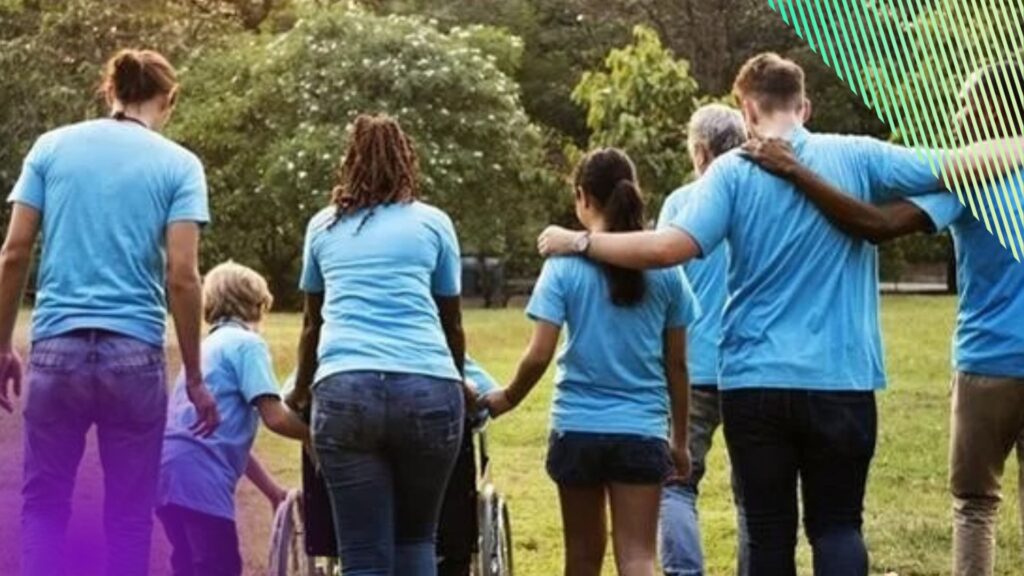
Public relations has always been about relationships, trust, and reputation. In a time where people are increasingly distrustful of traditional advertising, yet they’re more influenced by shared values than ever, community engagement has become one of the most effective tactics in Public Relations. No longer will brands be judged solely on what they say, but also on what they do and how they stand up for the communities that consume from them. Community is what enables organisations to move beyond one-way messaging and create genuine, lasting relationships through shared passion.
Community participation in PR is all about listening to, working with, and helping the people impacted by an organisation’s conduct. This may be neighbourhoods, customers, employees, allies, or interest groups. Unlike the belief that people are just sitting there and not involved in their own destiny, community Public Relations imagines audiences as stakeholders who have voices, are relevant, and expect something.
In today’s connected world, stories travel quickly. As in the offline world, engagement builds trust and goodwill in the community, while disengagement or inauthenticity can undermine reputation. Consumers are looking to engage with companies that have a positive impact on society and refuse the status quo of Corporate Social Responsibility (CSR).
Building Trust and Credibility Through Community Engagement
Trust is the currency of Public Relations, and community engagement is a great way to earn it. Organisations that engage with communities in a meaningful way show transparency, empathy and commitment. Those are essential to our trust and credibility in a marketplace where people increasingly don’t trust polished messages or empty pledges.
Community participation is about building trust by demonstrating that an organisation listens as much as it talks. Listening sessions, town halls, and other feedback methods enable organisations to gauge actual concerns and expectations. When people feel that they have been heard, they are more likely to trust the organisation’s motives and actions. This conversation adds a two-way dimension to Public Relations, moving the field beyond just disseminating messages to its proper form: dialogue.
Trust is also strengthened when organisations act visibly, consistently and effectively. Getting behind local projects, working with community groups, and organising resources in times of crisis are acts of dedication that go beyond marketing goals. They generate proof points that reinforce the brand’s values and purpose.
Crucially, trust generated through Community participation is more durable. Organisations with deep roots in community systems are frequently afforded greater understanding and support during crises or controversies. If communities see that they have been cared about for a while, organisations are more likely to get the benefit of the doubt.
Credibility is not assumed in public relations. It must be earned. Community engagement is a realistic, people-focused way to build trust, align words with actions, and make relationships the centrepiece of a communication strategy.
Strengthening Brand Reputation and Public Perception
A brand’s reputation is shaped by collective mindsets, and engaging with others in the community can significantly mould how that person or group thinks. “When organisations are part of a real connection into communities, it is what is said, shared and remembered. Having positive engagement makes stories people want to tell.
Community-focused Public Relations humanises organisations. It makes the brand seem less like a faceless entity and more like a functioning member of society. Whether it’s through local activations, educational programs, or social impact initiatives, they are there, building an emotional connection that traditional campaigns struggle to achieve.
Alignment between stated values and observable behaviour also affects public perception. It is not enough for organisations to trumpet public support for issues such as sustainability, inclusion, or wellbeing without demonstrating that commitment through action in the community. Reputation strengthens when engagement is aligned with values. When it doesn’t, it creates reputational risk.
Community engagement creates real content and earned media opportunities. Local narratives, collaborations, and impact projects can generate favourable media coverage and social sharing. These tales strike a chord because they originate in real experience, not advertising.
Over time, regular engagement earns a reputation for responsibility and caring. This reputation also provides a competitive advantage in influencing customer loyalty, employee commitment, and stakeholder trust. It takes more than visibility to build a reputation in public relations. It is constructed based on a meaningful connection, and Community participation forms that basis.
Creating Long-Term Relationships Instead of Short-Term Attention
All traditional Public Relations campaigns are much more short-term-focused. While these benchmark figures are useful, community engagement changes the game when it comes to long-term relationship building. These are the relationships that will last and matter over time.
Community involvement fosters relationships over time. It’s a signal of a long-term commitment when organisations are increasingly investing in ongoing partnerships and initiatives. This consistency is what enables relationships to grow, from awareness (when they first became aware of you) to trust (when they understand the value on a deeper level), and finally to advocate for your brand. Communities start viewing the organisation as a dependable rather than a fleeting participant.
Such long-term relationships also offer greater opportunities for insight. As time goes by, organisations learn about the changing needs, worries and prospects facing their community. This information leads to better, more appropriate and respectful communication. Public relations is now more responsive and less reactive.
Mutual benefit. From a stakeholder perception, long-term engagement implies mutual Gains between the organisation and stakeholders. Communities win support, resources, or platforms so their voices may be heard. Organisations develop loyalty, insight and reputational power. This two-way interaction is of much greater worth than attention peaks and troughs.
Employee satisfaction is another key factor. Employees are generally more engaged with companies that participate in community programmes. This internal consistency enhances brand advocacy and underpins a consistent corporate culture. By engaging the community, PR becomes a continuum rather than a campaign. This approach creates resilience, relevance, and trust that go beyond individual initiatives.
Measuring Impact and Aligning Community Engagement With Business Goals
One myth is that Community-outcome measurement becomes a herculean task or has no connection to business realities. In fact, when leveraged properly, community participation can actually drive both social impact and business goals. The secret is clarity and the power of intention.
Quality Public Relations incubation outfits set measurable benchmarks for community involvement. These could be enhancing trust, raising awareness, recovering reputation, or building stakeholder relationships. There is a diverse range of public relations tools, which can be used to achieve the outcome listed above. Once objectives are established, related measurements can be determined. These may range from general sentiment evaluations to media quality, user feedback in the community, engagement rates, or long-term brand perception metrics.
Qualitative insights are especially valuable. These numbers only tell part of the story, and hearing from our community partners through feedback, testimonials, and case studies adds depth beyond the mere numbers. These findings contribute to the evidence base on the impact of engagement efforts.
It is the sustainability of alignment with business goals. Community involvement can be integrated into an organisation’s values and strategy rather than treated as a separate thing. Innately, when engagement is aligned, it supports brand positioning, employee engagement and customer loyalty.
It is also the need of the hour to make the impact of communication transparent. The sharing of results, lessons learned, and future commitments is an influential contributor to accountability and trust. This openness bolsters public relations efforts and shows respect for the community’s role.
Quantifying the impact doesn’t make Community participation any less human. Instead, it enables organisations to learn, improve and invest responsibly. When it is focused and deliberate, community engagement can be a tremendous engine for both social and business value.
Conclusion
The magic of community in public relations is that it builds real, genuine relationships and trust that generate long-term value. In today’s world, when people demand authenticity and accountability, messaging is not enough for organisations to stem the tide. They need to participate, listen, and use it with intent.
Involvement in the community reinforces credibility, reputation, and relationships that extend beyond individual campaigns. It turns public relations from a transaction to a relationship. When communities aren’t seen as audiences but as partners, communication is more meaningful and ultimately more effective.
Contact Accelerate Management School Today!
Interested in excelling in marketing? We highly recommend joining our Public Relations Management Course at Accelerate Management School to gain vital skills in today’s dynamic business landscape. Equip yourself with the latest strategies and tools by enrolling in our Public Relations Management Course at Accelerate Management School for a competitive edge in the evolving business world.

Frequently Asked Questions
Public relations and Community participation are about creating purposeful, dialogical relations between institutions (including public organisations) and the public communities they serve. Rather than broadcasting, it’s more about listening, co-operation and curation. This can involve local collaborations, happenings, feedback drives, or social programs. Community participation offers organisations the opportunity to understand actual needs and expectations, without showing commitment or affection.
Community participation is crucial since it establishes trust, credibility, and a long-term reputation. Today, fans expect brands to demonstrate social responsibility and deep engagement rather than Trump-style messaging. Engaging with the community is an opportunity to show value, not just talk about it. This raises public perception and goodwill, which support PR objectives.
Brand trust increases when companies demonstrate genuine commitments to the communities affected in a sustained and consistent manner.” Community involvement fosters trust through two-way communication and tangible action. When people believe they are being heard and their concerns are being addressed, confidence arises. Donating funds to local efforts or partnering with community organisations also demonstrates accountability and compassion.
PR-supported activities such as local collaborations, volunteer projects, teaching programs, town halls, charitable events, and corporate social activism. Feedback surveys and listening sessions are also critical. The best ones further your business’s mission and serve a real need in the community. One-off events can raise awareness, but sustained effort fosters deeper stories.
Yes, community engagement can deliver PR results you can measure when your goals are specific and clear. These performance indicators could measure, for instance, sentiment, media coverage quality, community engagement levels, social interactions, and stakeholder involvement. Not all impact is measurable or quantitative; qualitative perspectives, like testimonials and sustained mindset change, are just as critical.
Organisations can begin by identifying the communities most affected by their work or values. Listening is the first step. Developing an understanding of needs, concerns, and expectations is essential for meaningful engagement. From here, organisations can form alliances, support relevant initiatives, and provide forums for ongoing conversation. Integration is most effective when community engagement is an integral part of the PR strategy, not an afterthought.