
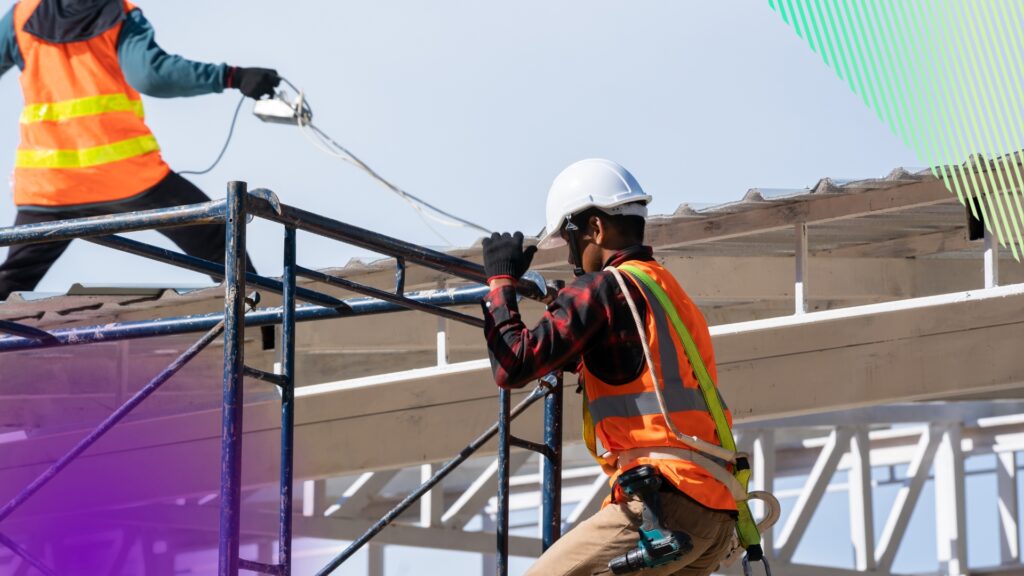
Fall protection is considered one of the most critical hazards for a construction site, and falls are one of the most common causes of severe injuries and fatalities. Fall hazards are always present when workers are working on scaffolding, roofs, ladders, elevated platforms, or unfinished structures if precautions are not taken to prevent them. Good Construction OHS practices enable organisations to recognise these hazards, put effective measures in place to control them, and make workplaces safer, keeping employees safe from avoidable accidents.
Construction sites are dynamic environments, and with each passing day, new hazards are brought on. This dynamic environment requires constant planning, regular inspections, appropriate supervision, and ongoing employee training to reduce fall risks. Employers have a legal and ethical duty to ensure that their work environment is safe, complies with occupational health and safety legislation, and is designed to minimise the risk of injury at work. A positive safety culture is developed by everyone knowing their role in preventing falls and ensuring a safe workplace environment, not only to ensure compliance with regulations, but also to support a well-developed Construction OHS programme.
Conduct Comprehensive Fall Risk Assessments
The first step towards Construction OHS is identifying fall hazards before work. A thorough fall risk assessment helps identify the hazard, assess the risk, and take action to mitigate it before workers are exposed.
Each construction job has its own set of difficulties. Multi-storey buildings, bridges, roofs, scaffolding, ladders, excavation edges and elevated work platforms all present varying fall hazards that need to be carefully evaluated. The weather, ongoing construction work, equipment movement, or changes in the structure can also cause conditions to change rapidly on site. Risk assessments must be regularly carried out during the project, not just at the planning stage.
A good risk assessment will cover several things, such as the level of work to be carried out, condition of access equipment, surrounding hazards, weather conditions, worker competence, and the fall protection systems in place. After hazards are identified, the hierarchy of controls should be used to eliminate hazards if possible, substitute safer methods, implement engineering controls (guardrails, etc.), administrative controls, and personal protective equipment (PPE) where necessary.
The involvement of workers is also required in the assessment process. Hazard identification can be done by employees, who are often on the ground and involved in tasks at height, but not necessarily identified during a formal inspection. When workers are encouraged to report unsafe conditions, it helps foster a proactive safety culture and enhances overall hazard identification. Regular fall risk assessment helps enhance Construction OHS programmes, minimise worksite incidents and guarantee that preventative measures are in place during all stages of construction.
Implement Effective Fall Protection Systems
Fall protection systems are one of the best ways to protect from serious injuries while at height. Fall protection equipment is a critical part of Construction OHS when fall hazards cannot be avoided altogether. Any collective protection method should always come first as it protects more than one worker at a time and without having to rely on individual behaviour. The use of guardrails, edge protection systems, safety barriers, covered floor openings and properly installed scaffolding greatly minimises fall hazards and ensures safe work.
If collective protection is not possible, then personal fall protection is required. Full body harnesses, shock-absorbing lanyards, self retarding lifelines, anchor points and horizontal lifeline systems can stop injuries before they happen. Protection with this equipment is only provided if the equipment is appropriately selected, fitted, inspected before use and used in conjunction with certified anchorage systems.
There should also be regular inspections. In-use failures can occur due to damaged harnesses, worn lanyards, corroded connectors, and improperly installed anchor points, which can place workers at serious risk. Employers need to have regular inspection timetables and immediately remove any defective equipment from service.
Training is a key component to using fall protection systems successfully. Employees need to know when to use the equipment, how to put it on, how to check it before use and what to do if they do fall. Engineering controls, quality equipment, regular inspections, and complete training all contribute to bolstering Construction OHS systems that minimise the risk of falls and keep employees safe during their entire shifts.
Strengthen Safety Through Training and Supervision
The use of the best safety gear is not enough if workers are not trained to use it properly. Comprehensive training programmes are essential to effective Construction OHS because they help employees understand hazards and how to work safely at height.
Employees should be given an induction training before entering active construction sites. This training should include fall hazards, safe working practices, emergency response plans, equipment inspections, ladder safety, scaffold use and the use of personal fall protection equipment. Refresher training should also be carried out regularly to refresh and reinforce safe practice and introduce changes to site practice as necessary.
Practical demonstration is especially important as it allows workers to apply theoretical learning in a realistic workplace scenario. Hands-on practice enhances confidence and helps employees know how to assess equipment and anchor points, and when and how to adapt to site conditions. Supervisors are also responsible for ensuring good safety practices. The workforce’s safe behaviour is reinforced through regular site inspections, behavioural observations, toolbox talks and the immediate correction of unsafe practices. Visible leadership shows the importance of worker safety and motivates workers to be vigilant.
Promoting open communication also helps to build Construction OHS. If equipment is damaged, conditions are unsafe, or if there is a near miss, workers should feel free to report it without fear, knowing that this could be the difference between life and death. Collecting these reports can enable organisations to take corrective action before an accident.
Maintain Safe Access Equipment and Housekeeping Standards
Falls in the workplace are not always due to major structural issues, but are often the result of unsafe access routes, poor housekeeping or damaged equipment. Organisations need to keep worksites clean and tidy and ensure all access equipment is kept in safe operating condition to meet Effective Construction OHS standards.
Ladders should be chosen for the job, checked before use, used on stable surfaces and strapped in when required. Three points of contact should always be kept when climbing, and heavy loads should not be carried that interfere with the contact points. Damaged ladders may not be repaired temporarily or returned to service until they have been thoroughly inspected and certified as safe.
It’s also important to pay attention to scaffolding. Scaffolding structures should only be erected, altered or dismounted by trained, competent personnel. Platforms are inspected regularly to ensure they are safe, guardrails are secure, access points are safe, and weights are not exceeded. The weather should also be taken into account as high winds or torrential rain can aggravate falls risk.
Other hazards that can be reduced include the absence of debris, tools, loose materials, trailing cables, and unnecessary obstructions where walking is required, which are addressed by good housekeeping practices. Slips, trips and falls can be as serious as falls from height and are often caused by poor housekeeping. Upkeep of elevated work platforms, stairs, ramps, handrails, and temporary access structures helps keep equipment safe during the project. Repairing any defects immediately will help to avoid big problems from the small ones.
Conclusion
Fall prevention is more than just the provision of fall arrest equipment. It requires careful planning, periodic risk assessments, appropriate fall protection systems, regular training, adequate supervision, and safe work sites. All of these factors play a part in a complete Construction OHS programme, which helps protect workers from one of the greatest dangers in the construction industry.
Compliance with Occupational Health and Safety regulations is just the beginning of the benefits that companies can reap from investing in fall prevention, as they will also cut down on injuries, boost productivity, avoid project delays, and build employee confidence. A proactive approach will ensure that hazards are identified early and that the controls put in place are effective as site conditions change.
CONTACT ACCELERATE MANAGEMENT SCHOOL TODAY !
Interested in advancing your Construction skills? Enroll in our Construction Occupational Health and Safety Course at Accelerate Management School for essential skills and knowledge in Construction Management.

Frequently Asked Questions
Construction OHS can help identify fall hazards, put in place suitable control measures and help workers ensure they are working safely when working at height. Proper safety management not only helps to minimise accidents and enhance compliance but also contributes to a safer workplace on construction sites.
These are best done by carrying out risk assessments, installing guardrails, having fall arrest systems, regularly checking equipment, training workers and ensuring good housekeeping to reduce slip, trip and fall risks.
Workers should inspect fall protection equipment before each use, and a competent person should conduct regular formal inspections. Harnesses, lanyards and anchor points that are damaged must be taken out of use immediately.
Training helps workers understand the nature of falls, how to work safely and effectively with fall arrest equipment, and how to act in an emergency. Safety employees are better able to identify hazards and avoid workplace accidents when they are well-trained.
Supervisors monitor work activities, ensure adherence to workplace safety requirements, conduct site inspections, provide guidance, and respond promptly to unsafe behaviours. They are leaders who help maintain compliance and foster a positive safety culture in the workplace.
Construction OHS enhances the safety of the construction site and minimises accidents, injuries to workers, and the risk of hazardous situations by ensuring that hazards are identified, risks are assessed, fall protection systems are in place, workers are trained, equipment is inspected, and the site is continuously monitored for safety.