
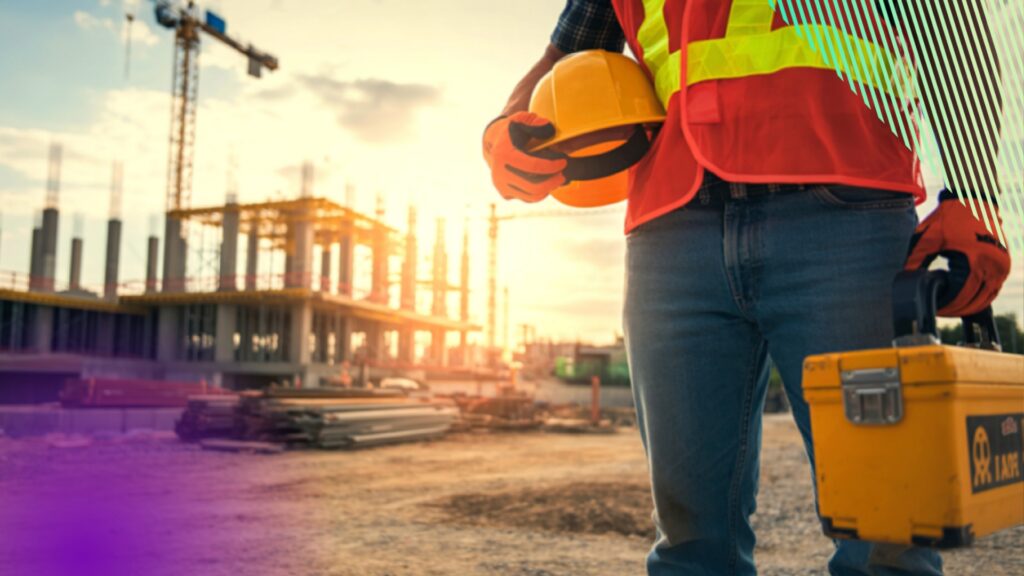
Construction sites are dynamic, where different types of hazards, including heavy machinery, working at height, electricity and vehicles, constantly arise. In a dynamic environment, communication is vital to avoid accidents and ensure safe working practices. Visual management in the workplace is one of the best methods to enhance communication. Visual safety tools are an integral component of a Construction OHS programme, enabling workers to identify hazards quickly, know safety procedures and respond accordingly to potential hazards.
The value of visual communication is highlighted when it helps workers recognise hazards at once, without having to read written instructions, and when language barriers are present. Safety signs are used, colour-coded systems are in place, hazard boards are erected, and floor markings, visual work instructions, and displays all work to ensure a safer working area with clear information.
Improve Hazard Awareness Through Visual Communication
Quick and effective communication of hazards is one of the strengths of visual safety management. There are many dangers associated with construction sites that may vary during the day depending on the project’s progress. Clear visual communication is integral to Construction OHS, as workers frequently must make quick decisions in the workplace.
One of the most recognisable visual management tools is safety signage. Warning signs indicate electrical hazards, overhead work, confined spaces, excavation areas and restricted access areas. Mandatory signs urge workers to wear PPE, and prohibition signs make it clear that something is unsafe and should be avoided. These signs use universally recognised colours and symbols which allow workers to interpret important safety information, irrespective of language or literacy.
Visual hazard boards at site entrances and work areas are used to alert the workforce to the daily hazards on-site, including weather hazards, high-risk activities, and emergency contact details. These boards inform workers before starting their work and remind them of key safety issues. Colour-coded systems are also useful in raising hazard awareness, either by marking equipment, pipelines, emergency exits, storage areas, or hazardous materials. Colour coding helps to minimise confusion and helps personnel to find key resources at a glance during normal working and emergency conditions.
Construction sites that successfully use visual communication provide a safer work environment, allowing workers to see hazards and take action before a situation escalates. The visibility and accessibility of hazard information boost an organisation’s Construction OHS programmes, minimise workplace injuries, and improve site awareness.
Enhance Training and Worker Engagement
While training is a key component of Construction OHS, it may not be enough to encourage safe behaviours on construction sites, and traditional classroom instruction may not be effective enough. Visual safety management tools help to facilitate continuous learning by communicating vital information in an engaging, hands-on and memorable way.
Visual work instructions provide step-by-step instructions using photos, diagrams, flowcharts and illustrations. These resources help people understand the correct procedure for operating machinery, assembling scaffolding, using fall protection equipment, or handling hazardous materials. Visual instructions make complicated processes much simpler and less likely to be misinterpreted than lengthy written instructions.
Toolbox talks will be more effective if supported with visual aids. Pictures of safe and unsafe practices, photos of actual incidents, risk assessment diagrams and demonstrations of equipment help workers to understand safety concepts in relation to workplace duties. This practical method helps retain knowledge and encourages active involvement during safety meetings.
Visual safety management is further extended by digital technology. Workers can access important information at any time using interactive displays, electronic noticeboards, mobile safety applications and QR codes, which can be used to access safety procedures. These tools help to keep safety information current and accessible throughout the project.
Additionally, visual management promotes worker participation. Colourful displays, safety scoreboards, progress trackers and recognition boards are more visible to employees and thus can encourage positive safety behaviours. Safe behaviours are celebrated, encouraging workers to stay focused on safety in the workplace and promoting a positive safety culture. Organisations that use visual learning strategies in conjunction with ongoing training can enhance Construction OHS initiatives and build more knowledgeable, confident, and safety-conscious construction teams.
Support Compliance and Improve Site Organisation
Visual safety management is not only helpful for workers, but it also helps organisations to remain compliant with occupational health and safety regulations. A consistent approach to organisation, documentation, and clearly visible safety controls and procedures is critical to the effective management of Construction OHS.
Floor markings, labelled storage areas, pedestrian walkways, traffic management signs and well-identified emergency equipment are used to help minimise unnecessary risks and confusion within well-organised construction sites. Employees can easily determine where equipment should be stored, how vehicles should travel, and the location of emergency exits and assembly areas.
Visual permit boards are still another helpful management tool. These boards show when permits are active for high-risk activities such as confined space entry, excavation, electrical isolation, working at height, or hot work. Having permits prominently displayed will ensure that workers know what is currently going on in the area and will prevent unauthorised work. Inspection schedules and maintenance boards also support compliance by detailing equipment inspection dates, scaffold approvals, lifting equipment certifications, and fire extinguisher servicing records. Overdue inspections are easily identifiable to supervisors, and workers know that equipment has been well-maintained.
Visual safety performance dashboards with safety statistics, incident-free days, audit findings and corrective actions promote accountability from all employees. These dashboards illustrate the management’s dedication to continuous improvement and inspire teams to reach common safety goals. Visual management tools support construction OHS, minimise administrative mistakes, and make compliance requirements highly visible, while improving organisation and creating more effective construction sites where safety information is accessible to everyone.
Build a Stronger Safety Culture Through Continuous Visual Reinforcement
A positive safety culture is more than just a policy and procedure; it is a way of doing things. Safe behaviours should be reinforced at all times for workers during all phases of a project. Visual safety management ensures ongoing reinforcement of safety, which helps to maintain safety in the day-to-day work and reinforces Construction OHS throughout the organisation. Safety posters are situated throughout the site to remind staff of important messages; these include fall prevention, manual handling, housekeeping, electrical safety and emergency preparedness. These messages are changed regularly so that workers do not become familiar with the static displays, but are kept up to date.
Recognition boards promoting safety achievements reward good behaviour by acknowledging teams or individuals that are practising excellent safety. Recognition for good work encourages employees to continue working at a high level of safety and encourages friendly competition between teams. Near-miss reporting boards also promote “hazard anticipation. A record of recent hazards, corrective actions and lessons learned will help workers learn how hazards can be created and how similar situations can be avoided in the future. This openness helps to build trust and encourages shared responsibility for workplace safety.
Management visibility is another reinforcement of safety culture. When supervisors are visible and involved in safety walks, discuss visual safety information with workers and take action to address reported hazards, they are truly committed to employee wellness. Leaders’ consistent support makes it more likely that workers will participate in safety initiatives. Organisations can continually reinforce key safety messages using visual communication, making safe behaviour a ‘way of life’. When the construction site has strong visual management, it increases the effectiveness of construction OHS because safety becomes visible, memorable, and part of every construction activity.
Conclusion
Visual safety management tools can be a great asset to better communication, more hazard awareness, more compliance and more safe behaviour on construction sites. They have the capacity to convey information rapidly and efficiently and are a vital part of any Construction OHS programme.
Visual Management is used to convey information about hazards and safe work practices, and to encourage workers to take appropriate action when conditions change on the site; it includes a range of tools, from safety signage and hazard boards to digital displays and coloured systems. They enhance traditional training and enable ongoing learning and higher engagement levels in employees.
CONTACT ACCELERATE MANAGEMENT SCHOOL TODAY !
Interested in advancing your Construction skills? Enroll in our Construction Occupational Health and Safety Course at Accelerate Management School for essential skills and knowledge in Construction Management.

Frequently Asked Questions
Construction OHS management tools facilitate communication, and hazards, procedures and emergency information are easy to identify. They enable workers to swiftly pinpoint hazards, execute safety measures accurately, minimise misunderstandings, and foster a safer, more efficient construction site.
Common Construction OHS management tools are safety signs, hazard boards, colour-coded systems, floor marking, work instruction displays, digital noticeboards, permit boards, emergency evacuation maps and safety performance dashboards that help to remind people of safe working practices every day.
Construction safety systems are more effective when Construction OHS management tools make workers more aware of site risks, reinforce their training, help them identify hazards, support regulatory compliance, and allow them to respond quickly to changing site conditions and workplace risks.
Yes. Construction OHS management tools simplify complex procedures by using diagrams, symbols, photographs, and demonstrations. They increase knowledge retention, enhance participation during toolbox talks, and support workers in confidently implementing safe work practices onsite.
Construction OHS management tools include permits, inspection schedules, hazard controls, emergency procedures, and important information clearly displayed. This not only facilitates compliance but also supports due diligence, enhances workplace safety documentation, and better equips organisations for workplace safety inspections.
Construction OHS utilises management tools like safety signage, awareness boards, hazard reporting displays, and performance dashboards to reinforce safe behaviours, engage workers in the safety process, increase accountability, and foster a proactive workplace culture dedicated to health and safety.