
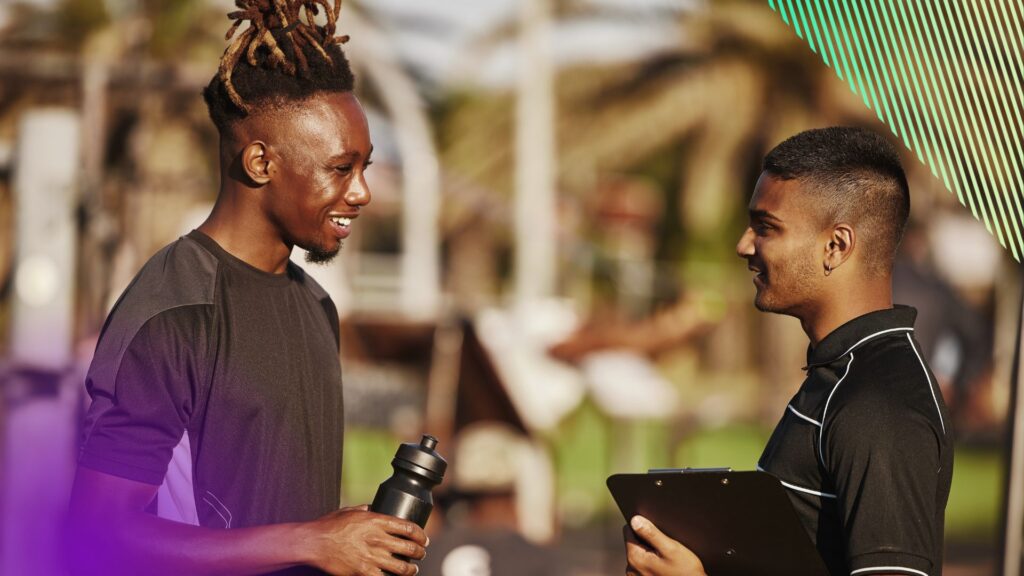
In today’s professional sports landscape, these athletes are more than just competitors on the field; they’re world brands: sports PR and athlete management. The relationship between sports public relations (PR) and athlete management is at the heart of who you are in the marketplace, your level of marketability for endorsements, and your long-term career success. With media coverage happening in real time and public opinion changing in seconds, strategic communication equals brand management like never before.
There is so much more to sports Public Relations than press releases and interviews. It’s a mix of media relations, crisis management, sponsor liaison, social media interaction and messages to fans. Athlete management, however, is about looking after an athlete’s career, their football deal and financial planning, as well as their personal branding and life after retirement. The two fields frequently intersect, since controlling public perception is a key ingredient in one’s future career prospects and the strength of that personal brand.
As fans put more stock in athletes as personalities (thanks to social media, endorsements and public appearances), the appetite for polished yet authentic representation is at an all-time high.
Crafting an Athlete’s Public Persona
Creating and sustaining a positive image with the public is one of the most essential things in managing an athlete. This doesn’t happen by accident. It takes strategy, media training, and a brand plan that aligns with the athlete’s beliefs, background, and career aspirations. From interviews and social media to charity work and endorsements, every public interaction factors into an athlete’s identity.
The sports public relations are the people behind the moulding and shaping of this persona. Managers work with Public Relations professionals to establish key messages, create a consistent tone of voice and body language, and determine how the athlete will be positioned across different platforms. They make sure that what the athlete says, posts or does represents the greater story of a brand. This involves shaping the media narrative, addressing public slips, and playing up strengths that matter to fans and sponsors.
Authenticity is key. Audiences are more sophisticated and catch insincerity right away. Hence, its pervasiveness is essential for consumer effectiveness, shaping the public person as it really is, not merely a refined image. PR teams help athletes tell personal stories that resonate with audiences on a human level, making them people we can understand and sell.
This kind of strategic storytelling, in turn, engenders loyalty and helps attract brand partnerships. It also sets the athlete up for long-term relevance after they are no longer an active competitor. The most enduring athlete brands are built on more than stats; they’re built on a compelling story. Assuming an athlete has the right team of PR and management behind them, that storyline can transform an athlete from just another smasher into a true icon.
Navigating Media and Crisis Situations
In professional sports, the media glare is unrelenting and not consistently favourable. One bad moment, one ill-conceived tweet or one off-field incident can snowball into a PR nightmare, which is why good media training and crisis management are essentially the backbone of both sports public relations and athlete representation.
Media navigation starts well in advance of an event. Athletes are taught to handle interviews, press conferences, and social media with clarity, professionalism, and poise. PR squads supply talking points, practice responses to complex questions that sound human, and coach athletes on how to keep their cool when it counts. This preparation helps athletes avoid gaffes and control the storyline.
When a crisis does happen, having a response plan is vital. A sophisticated Public Relations and management team will come out of the gate, acknowledging the situation, consulting with the affected base, and making a statement that walks that fine line between honesty and strategic language, all held in check by an actively managed group of spokespeople. The aim is to limit the damage to their reputations and get the narrative under some semblance of control.
Athlete management is also on hand to offer personal support, counselling if necessary and legal support. Blocking and tackling the athlete’s mental health in public crises is as essential to hygiene during a pandemic as it is damage control. In an age of digital immediacy, when a backlash can metastasise worldwide in minutes, even hours may be too long for responders to decide what to say and who should say it. Savvy organisations have social media defence plans, known as fire drills.
Together, media strategy and crisis management create a force field around the athlete’s image. When done right, they protect reputation and can even turn a crisis into an opportunity by demonstrating resilience and leadership.
Leveraging Sponsorships and Brand Partnerships
All those sponsorships and brand deals are integral to an athlete’s financial success and public persona. Off the field, a player can often earn many multiples of their salary in endorsements. But they’re not handed out without a hub-full of planning, positioning and execution, which all fall under the umbrella of athlete management and sports public relations.
Public Relations pros collaborate with managers to find partnership fits that align with the athlete’s brand or values. Again, authenticity is key; fans know when a collaboration is forced. The best endorsements are those that have an inherent logic, financially and personally, that makes a marriage between athlete and brand seem not just right but foreordained.
Negotiating deals and messaging, orchestrating campaign rollouts, everything takes a group effort. PR teams ensure brand messaging is aligned across media, and managers handle the contractual, financial, and logistical aspects. Together, they provide a deal that reflects positively on the athlete and adds value to the brand.
Brand partnerships also provide athletes with a vehicle to grow their influence. From starting a signature personal product line to advocating for a cause or building an entertainment presence, innovative partnerships can help expand an athlete’s reach well beyond sports. In exchange, brands benefit from the athlete’s audience, credibility and narrative heft.
Carefully using sponsorships can deify an athlete. But it’s not just about a big following, it’s about having a team that knows the sweet spot between business, media and image. When executed correctly, endorsements can be more than simply a revenue stream; they can be tools to build a legacy.
Supporting Long-Term Career and Legacy Planning
The athlete’s professional career is often very brief. Injuries, slumps, or changes to a team can lead to unexpected turns. That’s why psychology and long-term planning are such a crucial part of athlete management and public relations. It’s not simply a matter of succeeding in your peak years; it’s about setting the stage for the future.
Careers after sports range from broadcasting and coaching to entrepreneurship, philanthropy, and even advocacy. But going from mere athlete to public thinker takes groundwork laid years before. Public Relations and management teams guide athletes to recognise their passions, gain the relevant skills, and build credibility in the industries they are most interested in entering after retirement.
It also includes a brand-building process that goes beyond performance-based criteria. Building a robust public identity through media appearances, speaking engagements, community engagement, and personal projects means athletes will stay relevant and respected off the court. It also helps maintain a source of income, as well-managed personal brands can still draw opportunities.
Long-term management also entails finance management, legal protection and mental wellness support. Many athletes are catapulted into wealth and fame before they have had a chance to learn how best to handle it, so that when it comes time to leave the sport, such transitions can be difficult. Managers and PR people are working behind the scenes to ensure their clients aren’t just successful but sustainable.
Career management is not about hanging up your hat when you retire; it’s about managing your career into, through and beyond retirement. The proper support can empower athletes to write their own story, leverage the platform they are given, and create a legacy that lasts far beyond the final whistle.
Conclusion
Sports Public Relations and athlete representation are no longer optional extras; they’re essential ingredients to any successful athlete on and off the field. In a high-speed, media-saturated society, athletes must do and be everything: Perform, influence, inspire and lead. Such high-profile visibility and accountability require the support of professionals who know strategy, communication, and trust.
From creating a marketable public image to addressing media criticism and crisis, from securing relevant brand partnerships to setting up post-sport life, these functions go hand in glove to fashion not just an athlete’s career but their legacy. The smartest players today are those who know it’s as crucial to manage their image as they do their bodies.
Contact Accelerate Management School Today!
Interested in excelling in marketing? We highly recommend joining our Public Relations Management Course at Accelerate Management School to gain vital skills in today’s dynamic business landscape. Equip yourself with the latest strategies and tools by enrolling in our Public Relations Management Course at Accelerate Management School for a competitive edge in the evolving business world.

Frequently Asked Questions
Sports public relations manage and protects athletes’ public image through media strategy, branding and communication. It goes hand in hand with athlete management, ensuring the message is consistent and aligned with career goals. Public Relations also covers crisis communications, fan engagement and sponsorships. Without an effective PR strategy, athletes are at risk of miscommunication, negative press, or slipping priorities. PR/management are critical partners in building an athlete’s brand, and they both help extend an athlete’s career trajectory.
Career guidance is essential for a sports professional. That encompasses contract negotiation, financial planning, endorsement deals and a long-term career path. Managers secure the breadth and depth of athletes with whom to navigate not just their sport, but life beyond it. As players move into business, media, or philanthropy, we offer structure, protection, and opportunities to help them build careers that last well beyond the end of their playing careers on the field or the court.
In the social-media age, a misstep can ignite a Public Relations time bomb. Every athlete needs someone who can help manage a crisis, particularly when the controversy or screw-up is unforeseen. Sports PR legions are trained to move quickly, release thoughtful public statements and help management repair the damage. They also back the athlete emotionally and strategically, encouraging them to recover from setbacks and restore public trust. With brilliant handling, a crisis can even improve an athlete’s cultural standing over time.
Sponsorships take off when Public Relations and athlete management synchronise the brand with the athlete’s authentic identity and beliefs. PR ensures the message is clear and keeps the audience happy, while managers strike deals and work out the details. It is a win-win for the athlete and the sponsor. The right partnership elevates an athlete’s earnings, brand reach and credibility. When executed correctly, sponsorships can be powerful avenues for fostering influence and a marketable, long-term brand presence.
An agent is involved in contract negotiations, endorsements, and an athlete’s career path, whereas a PR person handles public perception management and overall shaping. The agent is the power broker, working behind the scenes to create opportunities and preserve the athlete’s interests. Professional representation helps the athlete convey a robust, consistent, and relatable image to their audience of fans, sponsors, and media. Combined, they form a complementary team that caters to both the business and image sides of an athlete’s job.
Retirement planning comes long before an athlete stops playing. Athlete management will identify what you want to do after you’re playing career, which could be broadcasting, entrepreneurship, or activism. In the meantime, Public Relations creates a public image that transcends the sports world and propels him from post-retirement anonymity to lasting impact. Through media, brand collaborations, and public appearances, it is possible to keep the face (and brand) visible and respected.